The Victor Harbor horse tram is the only one of its kind still operating in Australia - but it died in the 1950s, spent three decades replaced by a tractor in disguise, and came back in 1986. The full story of an improbable survivor.
An improbable survivor
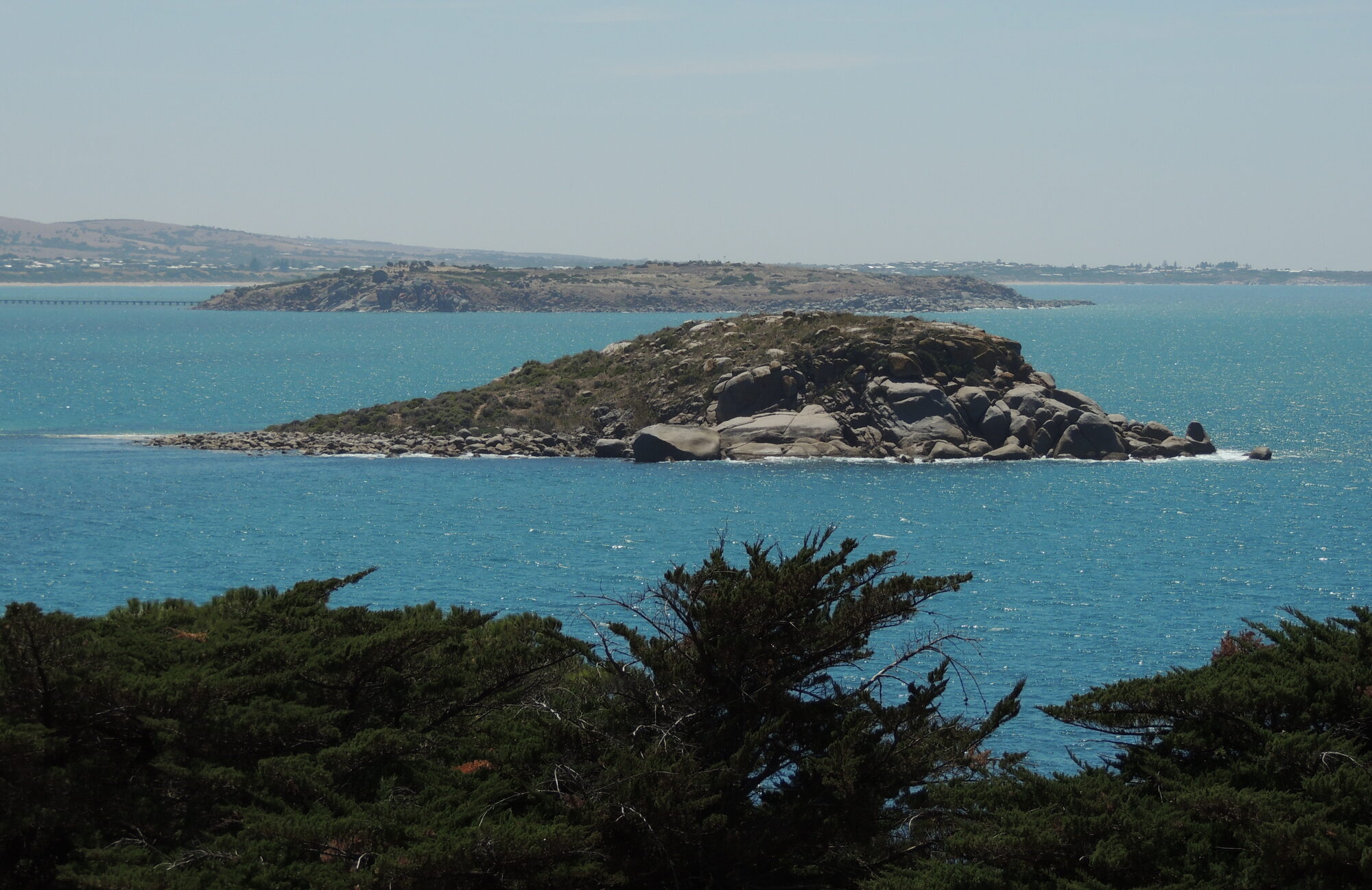
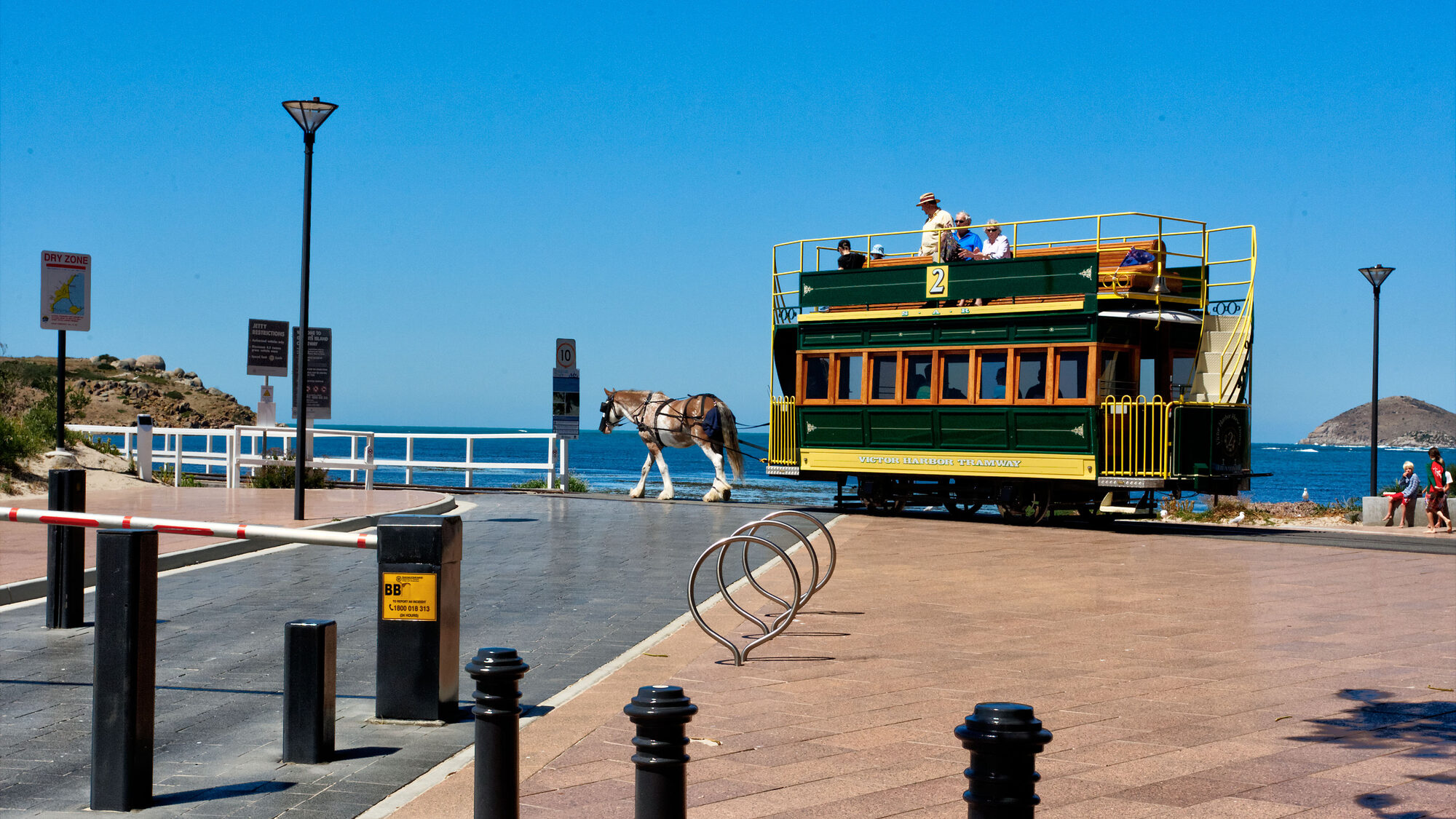
Somewhere near the top of any list of improbable Australian transport survivals is this: a double-decker tram, pulled by a single Clydesdale, crossing six hundred metres of open water to a granite island - in scheduled service, in the 2020s. The Victor Harbor Horse Drawn Tram is the only operating horse tramway left in the country, and one of very few anywhere in the world. Its survival was never the plan. It is the result of one demolition, one civic anniversary and a great deal of stubbornness.
Boom-town beginnings
The causeway came first. Victor Harbor in the 1860s was a working port - the sea outlet for the river trade that came down the Murray to Goolwa - and in 1867 the town's pier was extended all the way to Granite Island so cargo could be moved to deeper water. Rails were laid along it for horse-hauled goods wagons.
The passengers came later. By the 1890s the river trade was fading and Victor Harbor's future as a seaside resort was arriving, and in 1894 a double-deck horse tram began carrying day-trippers across the causeway to the island. It ran for sixty years, through the town's golden age as South Australia's holiday capital - the same age that built the broad-gauge line over which the SteamRanger Cockle Train still runs along the coast from Goolwa.
The tractor years
Then, in 1954, the tram died of a planning decision. The old causeway needed rebuilding, the parties could not agree on the rails, and the new structure went up without tracks. The cars hung on, running short trips on the island itself until 1956, before being disposed of entirely.
What replaced them deserves its own small museum: rubber-tyred trailers hauled first by a Ferguson tractor and later by a Land Rover dressed up in cladding to resemble a steam locomotive. For thirty years, that was the Granite Island crossing - and the fact that nobody in Victor Harbor ever quite accepted it is the reason this story has a third act.
The comeback
South Australia's 150th anniversary in 1986 came with a fund for commemorative projects, and Victor Harbor knew exactly what it wanted: its tram back. New tracks went onto the causeway, replica double-deckers were built, Clydesdales were trained, and on 14 June 1986 the horses returned to the crossing. The revival has now outlasted the original service's afterlife by decades, and the operation has become the town's emblem - the image on every second piece of Fleurieu tourism material, ours included.
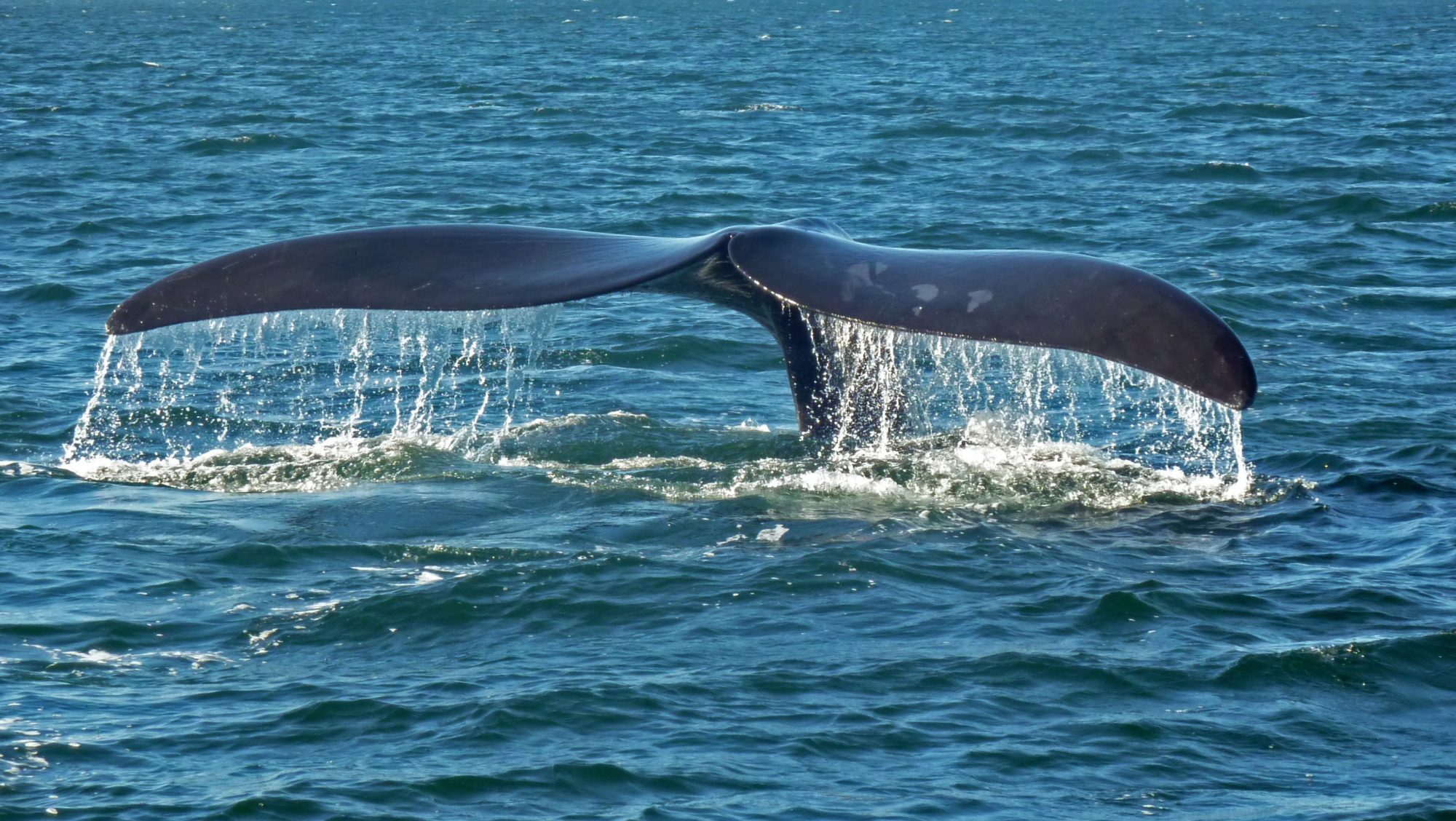
The latest chapter is the newest causeway: the original timber structure was replaced by a $43 million crossing that opened in December 2021, built with the tram explicitly in mind, and the horses resumed work on it in 2022. Granite Island itself remains the destination it always was - a loop walk, resident shorebirds and a little penguin colony that, while far smaller than in past decades, still survives - and the South Australian Whale Centre near the causeway entrance rounds out the precinct in winter and spring, when Encounter Bay fills with southern right whales.
Riding it
The pragmatic notes: the tram runs daily in good weather, the crossing takes about twenty-five minutes return, and you can walk one way and ride the other - which is the correct method, because the view of the tram from the causeway is as good as the view from the tram. It earns its place on our Victor Harbor rainy day list too: the lower deck is enclosed, and the Clydesdales work in drizzle.
One horsepower, properly applied, has now outlived the railways, the river trade and the port it was built to serve. Some transport solutions are simply finished on arrival.